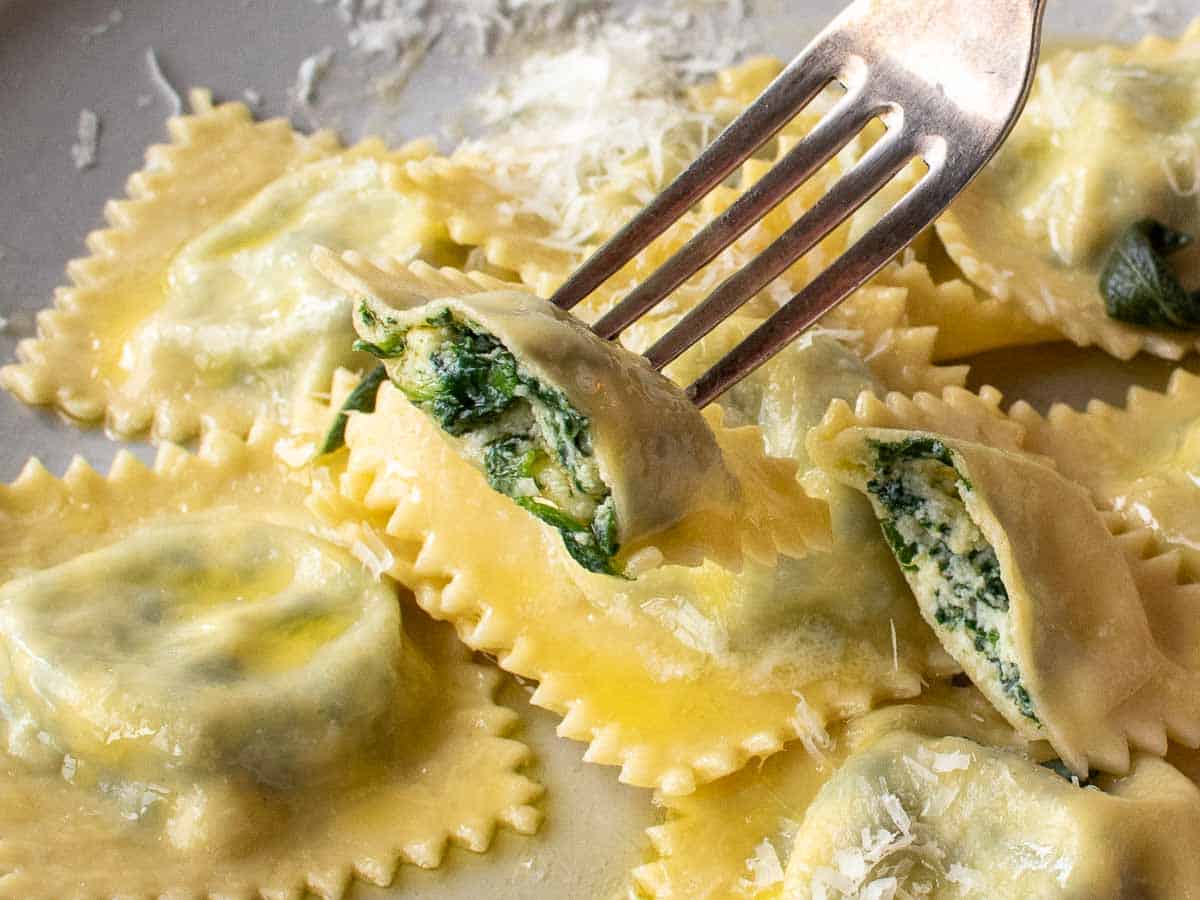
Spinach Ricotta Ravioli: Unlocking the Secrets to a Sturdy & Flavorful Filling
There's an undeniable magic to homemade pasta, and few dishes capture that essence quite like spinach and ricotta ravioli. Imagine tender pasta pillows bursting with a rich, creamy, yet perfectly sturdy filling – a true taste of Italy right in your kitchen. For many, like myself, this isn't just a recipe; it's a cherished tradition, often echoing the warmth of family kitchens in places like Veneto, where generations perfect their craft, often around Easter. While the core ingredients remain classic, the secret to truly outstanding spinach ricotta ravioli lies in mastering the filling – ensuring it's not just delicious, but also robust enough to hold its shape beautifully within delicate pasta. This comprehensive guide will reveal those secrets, helping you create ravioli that impress every time.The Heart of the Matter: Crafting the Perfect Spinach Ricotta Ravioli Filling
The journey to an exceptional spinach and ricotta ravioli begins with its core: the filling. Over countless iterations and tests, aspiring to replicate the perfection of traditional Italian recipes, certain truths emerge. The balance of ingredients, and critically, their preparation, are paramount for a filling that's both flavorful and structurally sound.The Foundation: Quality Ingredients Are Key
- Ricotta Cheese: Opt for high-quality, whole-milk ricotta. Its creaminess is unmatched, and it generally has a lower water content than its part-skim counterparts, contributing to a sturdier filling. If your ricotta seems overly wet, a brief drain in a cheesecloth-lined sieve can work wonders.
- Fresh Spinach: While frozen spinach is convenient, fresh spinach often yields a brighter flavor and better texture. The critical step for either is ensuring absolutely *all* excess moisture is removed.
- Aged Hard Cheese: Grana Padano DOP or Parmesan cheese are non-negotiable. They don't just add a salty, umami depth; their drier texture also acts as a binder, contributing to the filling's structure.
The Crucial Step: Spinach Preparation
This is where many home cooks falter, leading to a watery filling that compromises the ravioli.- Steam, Don't Boil: Steaming spinach (or thawing frozen spinach) is preferred over boiling as it introduces less excess water.
- Drain, Drain, Drain (Ruthlessly!): After steaming, place the spinach in a fine-mesh sieve or, even better, a clean kitchen towel. Press out every single drop of liquid. You'll be surprised how much water comes out! This is perhaps the single most important step for a sturdy filling, preventing your ravioli from becoming soggy or bursting during cooking.
- Finely Chop: Once thoroughly drained, finely chop the spinach. This ensures an even distribution of flavor and prevents large chunks from tearing the delicate pasta dough.
Bringing it All Together: The Flavor & Sturdiness Balance
With your perfectly prepared spinach, it's time to build the filling.In a large bowl, combine the thoroughly drained and finely chopped spinach with the ricotta and a generous amount of freshly grated Grana Padano or Parmesan cheese. Here's where the insights from years of testing come in: a balanced approach to the egg component. Many recipes experiment with whole eggs, yolks, or no egg at all. The sweet spot, providing both creaminess and a crucial binding element, often involves a whole egg, ensuring the filling holds its shape beautifully without becoming rubbery or too loose.
For an "extra gusto" touch, a subtle enhancement like quickly sautéing finely diced shallots in a touch of olive oil until softened (but not browned) and then adding them to the spinach mixture can elevate the flavor profile, adding an aromatic sweetness. Season generously with salt and freshly ground black pepper. A pinch of freshly grated nutmeg is also a traditional and welcome addition, enhancing the spinach's earthy notes. Taste the mixture and adjust seasonings as needed – this is your last chance before the filling is encased!
Beyond the Filling: The Art of Homemade Ravioli Dough
While a stellar filling is paramount, it’s nothing without the perfect pasta dough. Homemade pasta provides an unparalleled texture and freshness that store-bought simply cannot match. Crafting the dough is a meditative process, culminating in silky, pliable sheets ready to cradle your flavorful filling.Mixing and Resting the Dough
Begin by mounding all-purpose flour on a clean work surface, creating a well in the center. Into this well, crack your fresh eggs and add a touch of olive oil and a pinch of salt. Gently beat the eggs with a fork, gradually incorporating flour from the inner wall of the well. Continue this process until a shaggy dough forms, then knead vigorously for 8-10 minutes until it's smooth, elastic, and no longer sticky. The dough needs time to relax, so wrap it tightly in plastic wrap and let it rest at room temperature for at least 30 minutes. This resting period allows the gluten to relax, making the dough much easier to roll thinly without tearing.
Rolling and Shaping the Ravioli
Once rested, cut the dough ball in half, keeping one half covered to prevent drying. Lightly flour your work surface and the dough. Start by pressing the dough into a rough rectangle, then feed it through a pasta machine on its widest setting. Fold the dough in thirds and pass it through again several times until it's smooth. Gradually reduce the setting, passing the dough through each setting 2-3 times, until you reach the second narrowest setting. The goal is a sheet of pasta that is almost paper-thin – translucent enough to see your hand through, but still strong enough to handle. For more detailed instructions on mastering pasta dough, check out our guide on Spinach and Ricotta Ravioli: Mastering Pasta, Filling & Sauce.
Lay out your long, thin sheet of pasta. Lightly brush one half of the surface with water – this acts as your glue. Place approximately 1 tablespoon of your delightful spinach and ricotta ravioli filling onto the pasta, spacing them about 2 inches apart. Fold the other half of the pasta sheet over the filling, like a blanket. Gently, but firmly, press around each mound of filling to seal the edges and, crucially, to press out any air pockets. Trapped air can cause your ravioli to burst during cooking. Use a sharp knife or a fluted pastry wheel to cut individual ravioli squares. Finally, crimp the edges with the tines of a fork to ensure a tight seal and add a traditional decorative touch.
Dust your freshly made ravioli and a baking sheet with a light coating of cornmeal or semolina to prevent sticking, and lay them out in a single layer to dry slightly while you prepare the remaining dough and filling. If not cooking within an hour or two, refrigerate or freeze them.
Pairing Perfection: Sauces That Elevate Your Spinach Ricotta Ravioli
The beauty of spinach and ricotta ravioli is its versatility. While the filling is rich and flavorful on its own, the right sauce can elevate the dish to new heights without overpowering its delicate taste.Classic Choices That Never Disappoint:
- Simple Tomato Sauce: A timeless pairing. A well-made classic Italian tomato sauce, featuring good quality crushed tomatoes, sautéed garlic, basil, and a touch of red pepper flakes, provides a vibrant, acidic counterpoint to the creamy filling. Simmering it for at least 20 minutes allows the flavors to meld beautifully.
- Brown Butter and Sage Sauce: For an elegant and incredibly simple option, a brown butter and sage sauce is divine. The nutty, aromatic notes of browned butter combined with fresh sage leaves create a rich, earthy dressing that perfectly complements the spinach and ricotta. It's deceptively easy to make but delivers profound flavor.
- Garlic-Infused Olive Oil with Grana Padano: Sometimes, less is more. A generous glug of high-quality extra virgin olive oil gently warmed with sliced garlic until fragrant, then tossed with the cooked ravioli and a lavish sprinkle of aged Grana Padano DOP or Parmesan cheese, allows the exquisite flavor of your homemade filling to truly shine. This minimalist approach highlights the freshness of the pasta and the richness of the ricotta.
When cooking your ravioli, remember to use plenty of boiling, salted water. They will float to the top when tender, typically within 2-4 minutes for fresh pasta. Be careful not to overcrowd the pot. Drain gently and immediately toss with your chosen warm sauce.
Tips for Success: Ensuring Sturdy & Flavorful Ravioli Every Time
Crafting homemade spinach and ricotta ravioli is a rewarding culinary endeavor. To ensure your efforts always yield magnificent results, keep these essential tips in mind, drawing on the wisdom of countless successful batches:- Ruthless Spinach Draining: We cannot stress this enough. A wet filling is the enemy of sturdy ravioli. Squeeze, press, twist – get every last drop of moisture out of that spinach!
- Quality Ricotta Matters: Invest in good whole-milk ricotta. Its creaminess and lower moisture content are crucial for texture and preventing a runny filling.
- Don't Skimp on the Hard Cheese: Grana Padano or Parmesan isn't just for flavor; it's a vital binding agent that helps solidify the filling.
- Balance the Egg: The single whole egg method, refined through extensive testing, provides the ideal balance of binding and creaminess, ensuring the filling holds its form without being overly dense.
- Season Liberally and Taste: Always taste your filling mixture before sealing it in the pasta. Adjust salt, pepper, and nutmeg to perfection. This ensures every bite is bursting with flavor.
- Avoid Overfilling: A tablespoon of filling per ravioli is generally sufficient. Too much filling can lead to a messy rupture during sealing or cooking.
- Press Out Air Pockets: After folding the pasta over the filling, meticulously press out all air around each mound. Air pockets expand when heated, causing ravioli to burst.
- Dust for Protection: Use cornmeal or semolina generously on your work surface and baking sheets to prevent fresh ravioli from sticking to each other or the counter.
- Consider Freezing: Homemade ravioli freeze beautifully. Lay them in a single layer on a cornmeal-dusted baking sheet until solid, then transfer them to a freezer-safe bag. Cook directly from frozen in boiling water.
For more detailed insights into perfecting your ravioli filling to be both sturdy and incredibly delicious, delve into our guide: Homemade Spinach & Ricotta Ravioli Filling: Sturdy, Creamy, Delicious.
