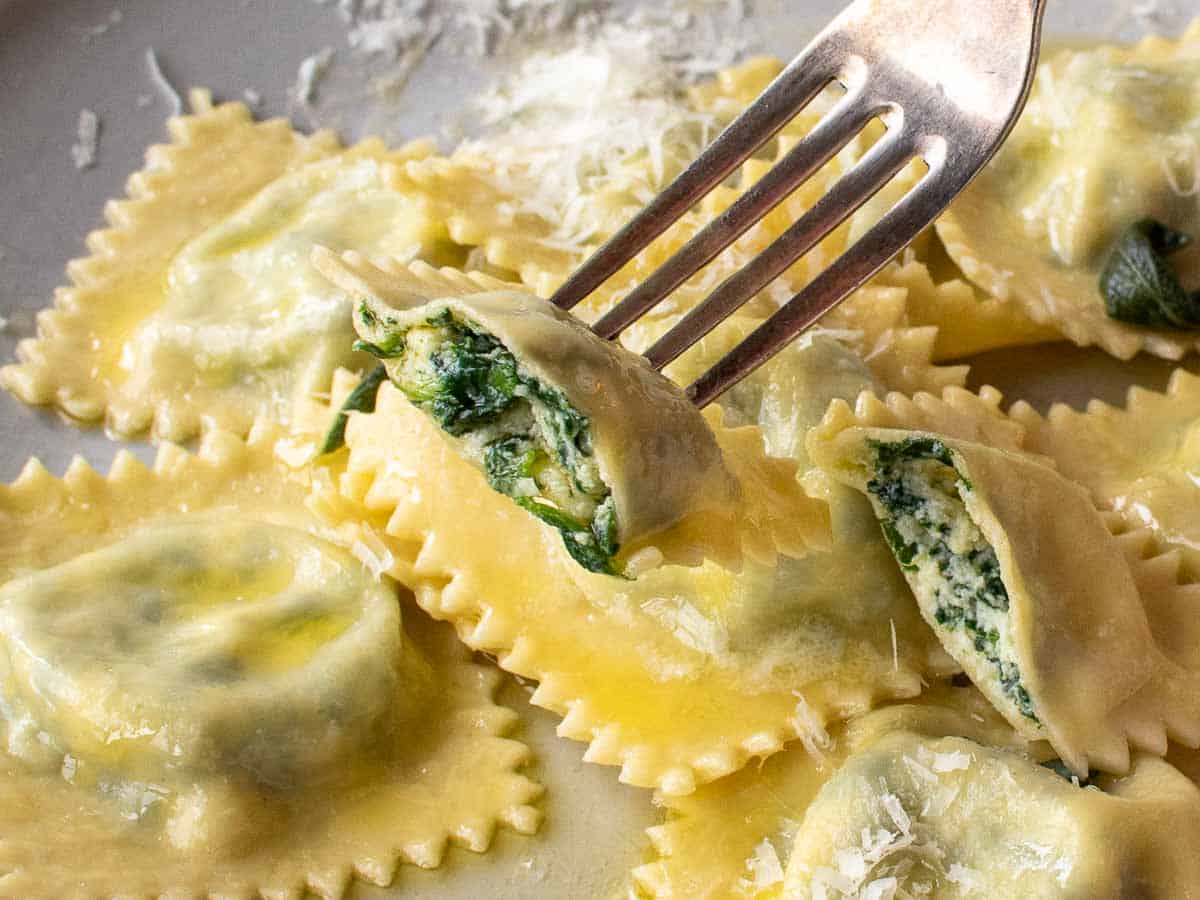
There are few culinary delights as satisfying as a plate of homemade pasta, and spinach and ricotta ravioli stands as a timeless testament to Italian comfort food. This iconic dish, known in Italy as Ravioli con spinaci e ricotta, embodies the essence of simple, high-quality ingredients transformed into something truly magical. Far from being an intimidating task, mastering spinach and ricotta ravioli is a rewarding journey that connects you to generations of Italian culinary tradition. From crafting the silken pasta dough to perfecting a robust, flavorful filling and pairing it with an exquisite sauce, we'll guide you through every step to create a dish that's both authentic and unforgettable.
Crafting the Perfect Pasta Dough: The Foundation of Flavor
Every exceptional ravioli begins with an equally exceptional pasta dough. Think of it as the canvas for your culinary masterpiece. The process starts simply enough, with a blend of flour, eggs, and a touch of olive oil, but the nuances lie in the technique and patience. For a batch that yields tender, pliable pasta, we recommend:
- The Flour Well Method: On a clean, flat work surface, mound your all-purpose or "00" flour, creating a generous well in the center. This traditional method helps contain your liquid ingredients.
- Liquid Gold: Crack your fresh eggs into the well, adding a tablespoon of good quality olive oil. Use a fork to gently beat the liquids, gradually incorporating flour from the inner walls of the well.
- The Knead: As the mixture comes together, it will form a shaggy mass. Begin kneading by hand, pushing the dough away from you with the heels of your hands, then folding it back over. Continue for 8-10 minutes until the dough is smooth, elastic, and no longer sticky. This develops the gluten, crucial for a resilient yet tender pasta.
- The Rest: Wrap the dough ball tightly in plastic wrap and let it rest at room temperature for at least 30 minutes. This resting period is vital; it allows the gluten to relax, making the dough much easier to roll out thinly without tearing.
During this resting time, your pasta dough is preparing itself for its delicate transformation, while you shift your focus to the heart of the ravioli: the irresistible spinach and ricotta filling.
The Heart of the Ravioli: A Sturdy Yet Creamy Spinach and Ricotta Filling
The filling is where the magic truly happens, a creamy, savory blend that sings with fresh flavors. Inspired by generations of Italian family recipes, particularly those from the Veneto region, the goal is a filling that is both sturdy enough to hold its shape during cooking and delightfully creamy on the palate. Our version builds on classic foundations with a few "extra gusto" touches.
Secrets for a Superior Filling:
- Spinach Preparation is Key: Whether using fresh or frozen spinach, the absolute most critical step is to drain it exceptionally well. Steam or blanch your spinach, then, once cool enough to handle, squeeze out every single drop of excess liquid. You want it as dry as possible. Waterlogged spinach will result in a runny filling that can make your ravioli burst during cooking. Finely chop the well-drained spinach.
- The Ricotta Choice: Opt for a high-quality, whole milk ricotta cheese. Its richness contributes significantly to the creamy texture. Allow it to drain in a fine-mesh sieve for about 30 minutes to an hour to remove any residual whey.
- The Binding Element: An egg is essential. Through extensive testing, it’s been found that a whole egg provides the perfect binder, ensuring the filling holds together without being too dry or too wet.
- Flavor Foundation: Sauté finely diced shallots in a little olive oil until translucent and fragrant, then add them to your spinach mixture. This adds a subtle sweetness and aromatic depth.
- The Cheese Factor: Beyond ricotta, freshly grated aged Parmesan cheese (or even Grana Padano DOP, if you can find it) is indispensable. It brings a salty, nutty umami that elevates the entire filling.
- "Extra Gusto" Touches: To truly make your spinach ricotta ravioli filling shine, consider adding a tiny pinch of freshly grated nutmeg and a hint of lemon zest. These small additions brighten the flavors without overpowering the core ingredients, offering a subtle warmth and freshness that is truly divine.
- Seasoning: Combine the well-drained spinach, ricotta, Parmesan, sautéed shallots, and egg in a bowl. Mix thoroughly. Taste and adjust seasoning with salt and freshly ground black pepper as needed. Remember that the Parmesan adds saltiness, so season gradually.
This careful balance ensures a filling that's flavorful, structurally sound, and exquisitely creamy, perfectly encapsulating the traditional spirit of Italian home cooking.
Assembling Your Masterpiece: From Dough to Delightful Pillows
With your dough rested and your filling prepared, it's time for the art of assembly. This stage requires a delicate touch and a keen eye for detail.
- Rolling the Dough: Divide your pasta dough into manageable portions, keeping the unused portions covered to prevent drying. Lightly dust your work surface and the dough with flour. Flatten one piece of dough into a rectangle and begin feeding it through a pasta machine at its widest setting. Fold and repeat 2-3 times. Gradually reduce the setting, rolling the dough through each setting 2-3 times, pulling and stretching the sheet gently as it emerges, until you reach the second-to-narrowest setting. The dough should be almost paper-thin and slightly translucent.
- Laying Out the Canvas: Lay your long, thin sheet of pasta dough onto a lightly floured surface. Brush the entire top surface lightly with water; this will act as your "glue."
- Portioning the Filling: Using a teaspoon or small tablespoon, place mounds of filling onto one half of the pasta sheet, spacing them about 1.5 to 2 inches apart. Be consistent with your portions to ensure even cooking.
- Sealing the Deal: Gently fold the other half of the pasta sheet over the filling, like a blanket. With your fingers, carefully press down around each mound of filling, working from the center outwards to eliminate any air pockets. Air pockets can cause the ravioli to burst when cooked.
- Cutting and Crimping: Use a sharp knife or a fluted pastry wheel to cut individual ravioli squares. For an attractive and secure seal, crimp the four edges of each ravioli with the tines of a fork. This ensures the filling remains safely encased.
- Storage: Dust the freshly made ravioli with a light layer of cornmeal or semolina flour and arrange them in a single layer on a parchment-lined baking sheet. This prevents sticking. If cooking within an hour or two, refrigerate them. For longer storage, you can freeze them solid on the baking sheet, then transfer them to an airtight container or freezer bag for up to a month. Cook from frozen, adding a few extra minutes to the cooking time.
Saucing and Serving: Completing the Culinary Experience
With your beautiful homemade spinach and ricotta ravioli ready, the final flourish is the perfect sauce. The versatility of this dish means it pairs wonderfully with a range of options.
Classic Sauce Pairings:
- Simple Tomato Sauce: A timeless choice. Heat 2 tablespoons of olive oil in a heavy pot. Sauté minced garlic for a minute until fragrant, then add crushed or diced tomatoes, a pinch of salt, pepper, and red pepper flakes. Simmer gently for 10-15 minutes, then stir in fresh chopped basil. This light, bright sauce allows the ravioli to truly shine.
- Brown Butter and Sage: An elegant and incredibly easy sauce. Melt unsalted butter in a pan over medium heat. As it melts, it will foam, then turn golden brown and smell nutty. Add fresh sage leaves and cook until crisp. A simple drizzle of this aromatic butter sauce is heavenly, enhancing the creamy ricotta.
- Garlic Oil & Grana Padano: For the purist, sometimes less is more. A generous glug of high-quality extra virgin olive oil, gently warmed with a crushed garlic clove, then drizzled over the cooked ravioli with a generous sprinkle of aged Grana Padano DOP or Parmesan cheese, is a minimalist dream.
To cook your ravioli, bring a large pot of salted water to a rolling boil. Carefully add the ravioli in batches, ensuring not to overcrowd the pot. They will typically cook quickly, usually within 3-5 minutes, floating to the surface when tender and ready. Once cooked, drain them gently and transfer them to your waiting sauce. Toss carefully to coat, ensuring every pillow of delight is perfectly dressed.
Conclusion: The Reward of Homemade
Mastering spinach and ricotta ravioli is a journey that celebrates the art of handmade pasta, the depth of traditional Italian flavors, and the joy of creating something truly special from scratch. From the tactile pleasure of kneading dough to the satisfaction of seeing your perfectly formed ravioli float to the surface, each step is a testament to the rewards of slow food. Whether you're sharing this dish with family on a special occasion, like the cherished Easter tradition in the Veneto, or simply indulging in a comforting weeknight meal, the effort is undeniably worth it. So roll up your sleeves, embrace the process, and prepare to savor one of Italy's most beloved culinary treasures right in your own kitchen.
